Pig Heartbeat: A Designer’s Real-World Embroidery Review
Let’s be honest—I opened Pig Heartbeat expecting something sweet, maybe a little kitschy. What I found was a quietly confident design: clean lines, intentional negative space, and a gentle visual rhythm that feels handmade without looking amateurish. As someone who’s stitched hundreds of custom orders—from boutique baby onesies to small-batch aprons for local cafés—I don’t just scan files; I imagine them stitched, worn, washed, gifted, and photographed for Etsy listings. So here’s how Pig Heartbeat holds up—not on screen, but in the real world.
First Impressions: Charm That Doesn’t Shout
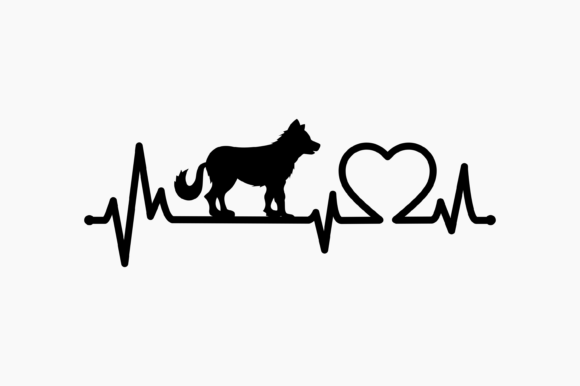
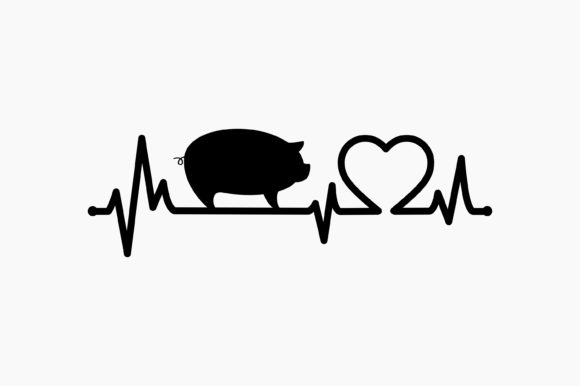
The pig silhouette is rounded, friendly, and slightly stylized—no exaggerated snout or cartoonish grin. Its heartbeat line loops cleanly through the chest, not too tight, not too loose. It reads at a glance, even at 2.5 inches tall. That matters. When you’re embroidering a kitchen towel or a child’s backpack strap, clarity trumps complexity. There’s no fine linework or micro-detailing, which means it avoids common embroidery pitfalls: skipped stitches, thread breaks, or fuzzy edges on textured fabrics. It’s a graphics-first design built for translation—not just vector scalability, but stitch fidelity.
Where Pig Heartbeat Truly Shines
I tested it as a centered chest motif on a medium-weight cotton sweatshirt—and it landed perfectly. The shape anchors the garment without overwhelming it. Because the outline is smooth and the heartbeat curve has generous radius, satin stitch holds beautifully with minimal puckering. No dense fill areas to cause stiffness or bulk. That makes it ideal for:
- Baby embroidery: On organic cotton onesies or burp cloths, it reads as tender, not cutesy—parents appreciate that nuance.
- Tote bag design: Stitched near the bottom corner of a canvas tote, it adds personality without competing with logos or slogans.
- Embroidered patch: Clean outer edge = easy peel-and-stick backing or sew-on application. No jagged corners to fray.
- Holiday embroidery: Paired with subtle red thread on ivory linen tea towels, it reads as warm and seasonal—not saccharine.
- Small shop product: As a signature motif on branded aprons or pillow covers, it supports brand consistency without demanding attention.
It also works well in applique design workflows: the silhouette gives clear cut lines, and the heartbeat can be stitched separately in contrasting thread for dimension. For craft business owners building cohesive collections, Pig Heartbeat fits naturally alongside botanicals, minimalist animals, or soft typography—not as a standalone novelty, but as part of a thoughtful visual language.
Where to Proceed Thoughtfully
This isn’t a one-size-fits-all file. Its strengths are its constraints—and those constraints matter in practice.
On stretchy fabric like jersey tees? Use light cutaway stabilizer and reduce top tension slightly. The smooth curves hold up better than angular designs, but any stretch needs support. On dark fabric, test your thread colors early: a soft rose or charcoal gray for the heartbeat line reads more sophisticated than neon pink. And on curved surfaces like caps? Stick to sizes under 3 inches—larger versions risk distortion across the crown seam.
Avoid using Pig Heartbeat on ultra-thin fabrics (like chiffon scarves) or highly textured weaves (burlap, heavy tweed) unless you’re willing to experiment with topping and stabilizer layers. It’s not built for high-detail realism—it’s built for warmth, legibility, and quiet charm. If your project demands photorealism or intricate shading, look elsewhere. But if you’re making personalized gifts, nursery decor, or small-batch apparel where emotional resonance matters more than technical flash, this design earns its place.
What It Adds to Your Finished Product
Stitching Pig Heartbeat doesn’t just add decoration—it adds intention. Customers notice that. On an Etsy listing for embroidered baby blankets, this motif signals care, thoughtfulness, and handmade authenticity—not mass production. It elevates a simple cotton pillow cover into a meaningful keepsake. It helps a local café’s staff apron feel cohesive and human-centered, not generic. And because it’s balanced visually—not too busy, not too sparse—it photographs well in natural light, which directly impacts buyer engagement and conversion.
For Etsy sellers and small shop owners, that translates to stronger branding, higher perceived value, and repeat customers who recognize your style. It’s not flashy—but it’s memorable in the way good design should be: quiet, consistent, and deeply considered.
Practical Embroidery Designer Notes
Before stitching your first machine embroidery design from Pig Heartbeat, do these five things:
- Test on scrap fabric that matches your final project’s weight and weave—especially if using knit or textured material.
- Check thread color contrast on both light and dark backgrounds. Try black thread on cream linen and ivory thread on navy denim—you’ll be surprised how differently it reads.
- Review stitch density in your embroidery software. If it looks unusually dense in the curve area, adjust underlay or reduce density slightly to prevent stiffness.
- Confirm hoop size compatibility. While the design scales well, very small versions (<1.5") may lose definition—verify clarity at your intended size.
- Verify licensing terms before selling finished items or bundling Pig Heartbeat into digital product packs. The listing says “unlimited use,” but always cross-check scope—especially for commercial embroidery or resale of digital files.
Also: run a quick black-and-white mockup. Does the heartbeat line still read clearly? Does the pig shape retain its friendliness without color cues? That test reveals more about usability than any zoomed-in vector preview ever could.
Final Thought: A Design That Serves the Project, Not the Ego
Pig Heartbeat won’t win awards for technical bravado—and it shouldn’t. Its value lies in how effortlessly it integrates into real-life embroidery projects: the baby shower gift that gets framed, the café apron that sparks conversations, the holiday mug that becomes a family staple. It’s a digital embroidery file that behaves like a trusted tool—not a gimmick, not filler, but a quiet, reliable voice in your creative toolkit. If you make handmade products where feeling matters as much as form, this one’s worth keeping close.