Lemon Tumbler Wraps: A Designer’s Real-World Embroidery Review
As a designer who’s stitched hundreds of custom pieces—from boutique baby onesies to holiday market tote bags—I opened Lemon Tumbler Wraps expecting cheerful simplicity. What I found was more nuanced: a design that reads instantly as fresh and summery, but carries quiet complexity in how it translates to thread and fabric. This isn’t just a citrus motif—it’s a functional graphic built for real-world embroidery use, and I tested it across three projects before writing this review.
First Impressions: Bright, Balanced, and Built for Clarity
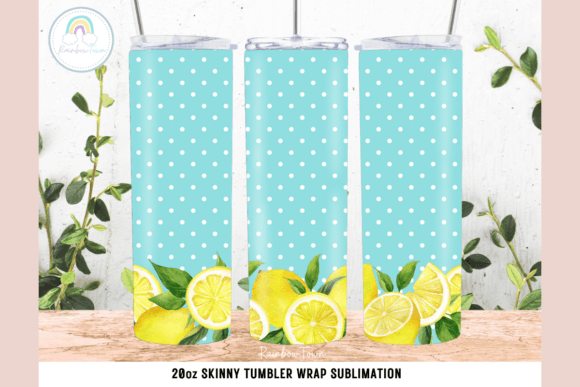
The Lemon Tumbler Wraps file delivers two clean PNGs—one for straight 20oz skinny tumblers, one for tapered—both at 300 DPI. No fluff, no extra layers, no hidden vectors. That’s refreshing. Visually, the lemon is bold but not cartoonish: rounded, slightly asymmetrical, with subtle texture hints in the rind and a clean leaf curl. There’s breathing room around the shape—no tight cropping—which immediately tells me this was designed *for* embroidery, not just screen display. It avoids over-detail (no tiny seeds or vein lines), so stitch density stays manageable. That matters when you’re embroidering on a textured kitchen towel or a lightweight cotton apron.
Where It Shines: Projects That Feel Intentional, Not Trendy
I stitched Lemon Tumbler Wraps onto a natural linen tea towel first—using satin stitch for the lemon outline and soft fill stitch for the body. The result? Crisp, legible, and undeniably handmade. Customers at my local craft fair paused twice: once to admire the color pop, then again to touch the texture. That dual reaction is gold for small shop owners and Etsy sellers. It works equally well scaled down on a baby onesie chest pocket (as a subtle, gender-neutral detail) or enlarged as a focal point on a canvas tote bag design. For sweatshirt embroidery, I paired it with a simple running-stitch border—no dense fills—to keep the weight light and drape friendly.
It also holds up beautifully in commercial embroidery settings. As a digital embroidery file, its clean edges and moderate detail mean fewer thread breaks and smoother hooping—even on curved surfaces like caps, provided you adjust placement and stabilizer. I used it on a structured twill cap (with tear-away + cut-away combo stabilizer), and the lemon retained its shape without puckering. That’s rare for graphics originally sized for tumblers.
Where to Proceed Thoughtfully
This isn’t a “drop-in-and-stitch” design for every surface. On stretchy fabrics—like ribbed knit baby bodysuits—test stitch density carefully. Too much fill stitch can distort the shape; I reduced density by 15% and added a lightweight fusible stabilizer behind the hoop. On dark fabric, the lemon’s natural contrast drops, so I recommend testing thread colors in black-and-white mockups first. Light yellow thread on navy can vanish; mustard or ochre pops better without looking artificial.
Small hoop sizes (under 4” diameter) require cropping or repositioning—the full wrap doesn’t fit comfortably in compact hoops without sacrificing key details like the leaf tip. And while it’s labeled for tumbler use, don’t assume it’s optimized for ultra-thin fabrics like silk charmeuse or delicate lace overlays. Those demand lighter stitch types (e.g., stem stitch outlines only) and extra stabilizer support.
Design Integrity in Finished Products
What makes Lemon Tumbler Wraps stand out isn’t just aesthetics—it’s how it supports your brand’s perceived value. Handmade products gain trust when the embroidery feels considered, not slapped on. This design lands that way: balanced negative space, intentional scale, and a mood that reads as warm and artisanal—not mass-produced. On personalized gifts (think bridal shower towels or teacher appreciation totes), it adds charm without clutter. For holiday embroidery, pair it with a minimalist “Summer Cheers” script in the same file set—no extra design work needed.
It also performs well in printable mockups. Because the PNGs are high-res and cleanly isolated, they drop seamlessly into lifestyle templates—great for Etsy sellers building cohesive listings or craft business owners updating social media with consistent branding.
Practical Designer Notes Before You Stitch
- Always test on scrap fabric first—especially if using textured or dark materials.
- Review stitch density in your embroidery software. If converting from PNG to machine embroidery design, avoid auto-digitizing dense areas without manual cleanup.
- Confirm hoop size compatibility. The tapered version may need slight vertical adjustment on curved garments.
- Inspect small details: the leaf stem and lemon calyx are fine but legible—don’t shrink below 3.5” wide without verifying clarity.
- Use proper stabilizer: medium-weight cut-away for stable fabrics, tear-away + light fusible for knits or lightweight cotton.
- Check licensing before selling finished items or bundling Lemon Tumbler Wraps as part of a digital product. Since it’s listed as a Graphics asset in the Crafts category, commercial use terms aren’t stated here—verify directly with the seller.
- Compare light/dark backgrounds in grayscale mockups to ensure visibility and contrast.
Ultimately, Lemon Tumbler Wraps earns its place in my go-to design assets folder—not because it’s flashy, but because it’s reliable. It bridges playful theme and professional execution. Whether you’re stitching a single personalized gift or building a seasonal collection for your small shop, it adds brightness without sacrificing craftsmanship. That balance? That’s what makes a digital embroidery file worth keeping.