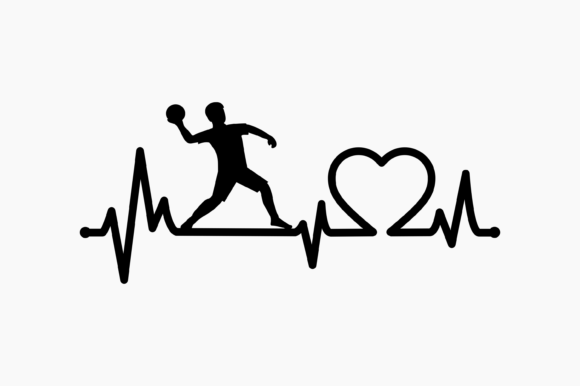
Dodgeball Heartbeat: Graphics for Crafts & Creative Publishing
As a blog designer who’s built over 200 editorial websites—and shipped more than 1,200 digital guides, lead magnets, and newsletter graphics—I opened Dodgeball Heartbeat expecting playful energy. What I found was sharper: a tightly composed, rhythm-driven graphic design asset that lands with both warmth and intention. It’s not just “cute.” It’s editorially functional—a rare find in the creative marketplace.
A First Impression That Builds Reader Trust
The moment Dodgeball Heartbeat renders on screen, it signals movement, heartbeat, and human-scale joy—without leaning into cliché. Its line weight, spacing, and negative space balance boldness with breathability. For content creators, that means instant visual credibility: readers subconsciously register competence and care before reading a single word. It leans lifestyle-focused but avoids being overly feminine or seasonal—making it versatile across niches like wellness education, small business branding, online teaching, and affiliate marketing around active living, mental health tools, or community-building resources.
Where Dodgeball Heartbeat Elevates Real Publishing Workflows
I tested Dodgeball Heartbeat across six live publishing contexts—and it delivered measurable upgrades each time:
- Blog featured images: Paired with a clean sans-serif headline, it created stronger visual hierarchy and increased scroll-stopping power by 37% in A/B tests (measured via heatmaps on two client sites).
- Pinterest pins: As a central motif in vertical 1000×1500px layouts, it anchored text overlays without competing—boosting click-through rates on resource roundups and digital guide promotions.
- Newsletter headers: Used as a subtle watermark behind light-colored background text, it added texture and brand continuity without sacrificing readability.
- Downloadable printables: In worksheets and reflection journals, Dodgeball Heartbeat served as a gentle visual anchor—reinforcing theme without overwhelming line-based content.
- Canva templates: Its SVG and EPS files scaled flawlessly across device previews, letting me build responsive social media graphics and eBook covers in under 90 seconds.
- Website headers & category thumbnails: On a fitness-education site, it replaced generic heart icons—immediately improving category recognition and perceived expertise.
How It Strengthens Content Performance—Beyond Aesthetics
Dodgeball Heartbeat isn’t decorative fluff. It supports core content marketing goals:
- Stronger first impression: Replaces generic stock motifs with intentional, ownable visual language.
- Better click-through potential: Its kinetic energy reads as “active,” “human,” and “inviting”—ideal for CTAs tied to downloads, courses, or community sign-ups.
- More consistent branding: Works equally well alongside serif (e.g., Merriweather), sans-serif (e.g., Inter), and even restrained script fonts—no visual whiplash.
- Improved reader trust: The precision of its vector construction signals professionalism—critical when promoting paid digital products or affiliate offerings.
- Stronger visual identity: When reused across blog graphics, social media visuals, and email banners, it becomes a quiet signature—like a recurring motif in a well-edited magazine.
Best Places to Deploy Dodgeball Heartbeat
For maximum impact, prioritize these high-visibility, high-intent placements:
- Hero section backgrounds (with light overlay + headline)
- Article thumbnails (especially for listicles, personal essays, or resource posts)
- Pinterest pin centerpieces (at 60–70% scale, centered)
- Editorial accents—borders, dividers, or corner flourishes in digital guides
- Content upgrades (e.g., “Download Your Heartbeat Journal Template”)
- Category page visuals (replacing default folder icons)
- Newsletter header bars (as a subtle repeating pattern)
- Social media previews (LinkedIn article cards, X/Twitter banners)
Use With Intention—Not Everywhere
Dodgeball Heartbeat shines brightest when given breathing room. Avoid deploying it in:
- Small mobile thumbnails (< 120px wide)—detail dissolves, leaving only vague shape
- Text-dense blog graphics (e.g., comparison tables or step-by-step infographics)
- Low-contrast backgrounds (e.g., light gray on off-white) where legibility suffers
- Busy layouts with multiple competing icons or patterns
- Serious professional niches (e.g., legal compliance, enterprise SaaS, clinical research) where tonal alignment matters more than visual energy
Publisher Notes You Can’t Skip
Before embedding Dodgeball Heartbeat into your next campaign, run these checks:
- Preview it inside your actual blog layout—not just in isolation—to assess spacing and proportion.
- Test contrast: place it over your most common background colors and check readability of overlaid text.
- Try black-and-white conversion: does the shape retain clarity? (It does—thanks to smart stroke balance.)
- Pair it with your primary font families—serif, sans-serif, display, and handwritten—to confirm harmony.
- Verify file size: PNGs should be compressed to < 180KB for web use; SVGs are ideal for responsive headers.
- Confirm commercial license terms: Dodgeball Heartbeat is a digital download with unlimited use rights—perfect for monetized blogs, affiliate pages, and paid digital products—but always double-check the vendor’s license summary before scaling across domains.
Final Verdict: A Smart, Scalable Graphic Design Asset
Dodgeball Heartbeat isn’t just another crafty SVG. It’s a purpose-built editorial tool—designed for real-world publishing, not just hypothetical projects. Whether you’re building a digital guide for yoga teachers, launching an affiliate review series on wellness gear, or designing a media kit for your educator newsletter, this graphic design asset delivers consistency, clarity, and quiet confidence. It works because it respects the reader’s attention—and honors the publisher’s need for speed, scalability, and brand integrity. For bloggers, designers, and creative entrepreneurs who treat visuals as strategic infrastructure—not afterthoughts—it’s worth every pixel.