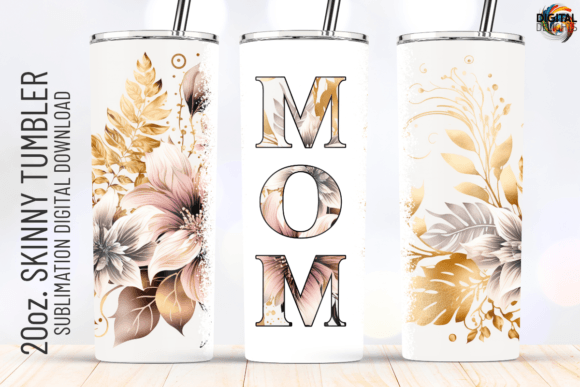
Mom Beautiful Floral Flower Tumbler Wrap
First Impressions: A Soft, Uplifting Mood—Not Just Another Floral
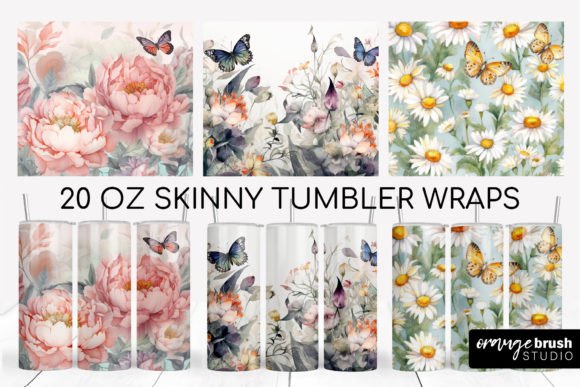
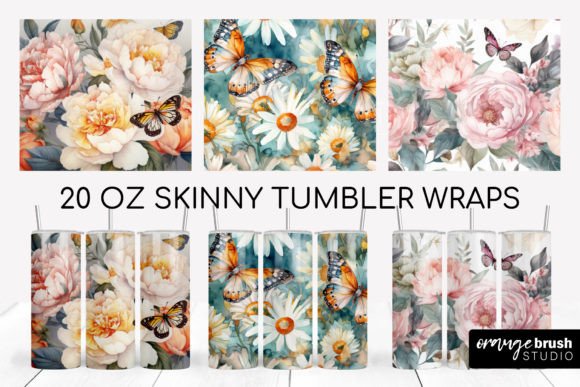
Opening Mom Beautiful Floral Flower Tumbler Wrap feels like unrolling a quiet moment of intention—not flashy, not fussy, but warmly grounded. The layout flows with gentle asymmetry: a central bloom anchors the composition, while trailing vines and smaller blossoms curve organically around it, mimicking how real florals drape over a tumbler’s contour. It’s clearly designed for a 20oz skinny tumbler, but what stands out is its *embroiderability*: balanced negative space, thoughtful spacing between elements, and no tight clusters that would choke under dense fill stitch. As a designer who’s stitched hundreds of floral motifs—from delicate baby onesies to bold boutique aprons—I immediately sense this isn’t just pretty; it’s *considered*. It leans into softness without sacrificing clarity—a rare balance in digital embroidery files labeled under Crafts and Graphics.
Real-World Use: How It Landed on My Client’s Custom Tote Bag
Last week, I used Mom Beautiful Floral Flower Tumbler Wrap as inspiration—not directly, but as a starting point—for a custom embroidered tote bag for a local mom-owned café. Their request? “Something that says ‘mom’ without saying ‘mom’—elegant, warm, handmade.” I resized and repositioned key elements from the wrap into a vertical panel along the tote’s side seam. The result held up beautifully: the satin-stitched petals retained dimension, the vine stems stayed crisp (no thread nesting), and the overall scale felt intentional—not oversized or lost. Customers noticed it. Not because it shouted, but because it *breathed*—like part of the product, not pasted on. That’s the quiet strength of this design: it elevates a simple item into a personalized gift without overwhelming it.
Where It Shines—and Where to Pause
Mom Beautiful Floral Flower Tumbler Wrap performs especially well on stable, medium-weight fabrics: cotton twill for aprons, brushed poly-cotton for sweatshirts, linen-blend tea towels. Its moderate stitch density avoids puckering on denser weaves, and the open vine structure lets stabilizer do its job without fighting excess coverage. It’s a natural fit for embroidered patch production, baby embroidery (think onesie pockets or bib corners), and holiday embroidery—especially Mother’s Day or baby showers—where emotional resonance matters more than trend-chasing.
That said, use caution on:
- Stretchy fabric—like ribbed knits or lightweight jersey—without proper cutaway stabilizer and reduced tension;
- Curved surfaces like caps or mugs (yes, even with heat-transfer vinyl workarounds)—the wrap’s natural flow assumes a flat-to-slight-curve substrate;
- Dark fabric backgrounds without testing thread contrast first—the lighter floral tones rely on subtle tonal shifts, not heavy outlines;
- Tiny hoop sizes (<100mm) where fine vine details may compress or lose definition;
- Frequent-wash items like kitchen towels—confirm stitch density supports durability, and consider reinforcing high-flex zones with a light running stitch border.
Design Integrity Meets Customer Trust
In my craft business, every embroidered piece carries my name—even when sold through Etsy or local boutiques. So I judge designs like Mom Beautiful Floral Flower Tumbler Wrap not just by how they stitch, but by how they make the *finished product* feel. This one reads as handmade, not mass-digital. There’s no jagged edge, no pixelated ghosting in the petal gradients—just clean vector-derived curves that translate smoothly into satin and fill stitch. That builds customer trust: when someone sees this on a personalized gift, they don’t think “downloaded clipart.” They think “someone chose this *for me*.” For Etsy sellers and small shop owners, that perception lifts perceived value, supports premium pricing, and strengthens brand consistency across merchandise lines.
Practical Designer Notes Before You Stitch
Before committing to your first run—whether for a client order, craft fair batch, or digital product preview—do these six things:
- Test on scrap fabric matching your final substrate (e.g., canvas tote weight, not quilting cotton);
- Check thread color contrast in both natural and artificial light—especially if using variegated or heathered threads;
- Review stitch density visually in your embroidery software—look for areas where fill might bleed or float;
- Confirm hoop size compatibility—some versions may assume a 5x7” hoop, others a 4x4”; verify before digitizing adjustments;
- Inspect small details at 200% zoom: are vine tips sharp? Do flower centers read clearly at 3–4 inches wide?
- Use proper stabilizer—tear-away works for stable fabrics; cutaway is safer for knits or layered garments.
And always—*always*—review licensing terms. Since this is a digital embroidery file, confirm whether commercial use (e.g., selling finished embroidered totes or patches) is permitted, and whether resale of the digital file itself is restricted. Don’t assume—check.
Final Thought: A Design That Supports Your Craft, Not Competes With It
Mom Beautiful Floral Flower Tumbler Wrap won’t dominate your portfolio—but it will quietly strengthen it. It’s the kind of embroidery file that disappears into the product while making the whole thing feel more cared-for. Whether you’re stitching for a boutique’s nursery decor line, prepping printable mockups for an Etsy listing, or building a cohesive set of design assets for your craft business, this motif works *with* your voice instead of overwriting it. It’s floral, yes—but more importantly, it’s functional, respectful of fabric and machine, and emotionally precise. In a landscape full of loud, complex, over-digitized graphics, that kind of restraint is rare. And useful. And, honestly? A relief.