MARSHMALLOW 16OZ Glass Can Wrap Tumbler
As a designer who’s stitched over 2,000 custom projects—from boutique baby onesies to Etsy best-selling tote bags—I opened MARSHMALLOW 16OZ Glass Can Wrap Tumbler expecting playful charm. What I found was something more nuanced: a design that leans into softness and nostalgia without sacrificing clarity—exactly what you need when translating digital graphics into clean, confident embroidery.
First Impressions: Sweet, Simple, and Surprisingly Versatile
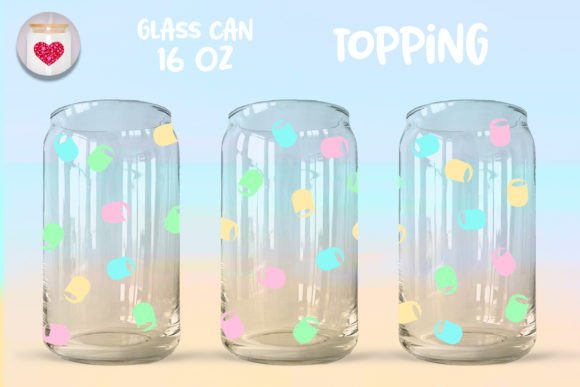
The moment you preview the files—SVG, Ai, EPS, PDF, JPG, PNG, DXF—you notice how generously spaced the marshmallow motif is. It’s not crowded or fussy; it breathes. That matters. When you’re prepping for machine embroidery design work on a sweatshirt cuff or a tea towel corner, open negative space means fewer stitch conflicts, less stabilizer bulk, and smoother fabric drape. The layout feels intentional—not just “cute,” but *crafted* for real-world application. It reads like a holiday embroidery staple, yes—but also works quietly in nursery decor, café aprons, or even minimalist wedding favor tags.
A Real-World Test: Stitching It onto a Linen Kitchen Towel
Last week, I used MARSHMALLOW 16OZ Glass Can Wrap Tumbler as the centerpiece for a set of embroidered kitchen towels for a local coffee shop pop-up. We chose natural linen—a fabric with texture and slight irregularity—and paired it with matte cotton thread in warm ivory and soft charcoal. The result? Crisp satin stitch outlines held up beautifully, and the fill stitch areas didn’t pill or shadow unevenly. Customers kept commenting on how “handmade but polished” it looked—not stiff, not sloppy, just right. That’s the sweet spot this design hits: it supports your craftsmanship without demanding perfection from your machine or fabric.
Where It Shines (and Where to Pause)
MARSHMALLOW 16OZ Glass Can Wrap Tumbler excels on stable, medium-weight fabrics: cotton twill for patches, midweight fleece for baby blankets, canvas for tote bag fronts. It translates cleanly to sweatshirt embroidery, especially on crewnecks where the curve of the chest gives the marshmallow shape gentle dimension. As an applique design, it layers well with simple border stitches—no need for complex underlay unless you’re stitching on jersey.
That said, proceed thoughtfully with stretchy fabric or thin cotton voile. The design’s gentle curves and subtle inner details won’t collapse, but they *will* shift if hooping tension isn’t consistent. On dark fabric, test thread colors first—the lightest tones in the graphic may need tone-on-tone contrast adjustments to read clearly. And avoid cramming it into hoops smaller than 4x4 inches; while it scales down, the marshmallow’s rounded edges start losing definition below that size.
What This Means for Your Craft Business
If you’re an Etsy seller or small shop owner building a cohesive line—say, a “cozy kitchen” collection with tea towels, oven mitts, and ceramic mugs—MARSHMALLOW 16OZ Glass Can Wrap Tumbler serves as a unifying visual anchor. It’s friendly enough for handmade product listings, distinctive enough to build brand recognition, and simple enough to reproduce consistently across dozens of items. Customers respond to its warmth without reading a description—they instantly get the vibe: comforting, thoughtful, lightly whimsical.
For commercial embroidery, it holds up in mockups and client presentations. Use it in printable mockups alongside neutral backgrounds—it doesn’t compete; it complements. That builds trust: buyers see professionalism, not clip-art energy. And because it’s delivered as a digital embroidery file bundle, you can prep multiple versions fast—light/dark variants, monochrome options, scaled-down versions for caps—without redrawing a single curve.
Practical Designer Notes Before You Stitch
- Always test on scrap fabric first—especially if using textured weaves or blends. Linen, terry cloth, and brushed cotton all behave differently under needle pressure.
- Review stitch density before loading into your machine. Dense fill areas can cause puckering on lightweight fabrics; consider reducing density by 5–10% if needed.
- Confirm hoop size compatibility. While the design fits standard 5x7" hoops comfortably, double-check scaling if you’re working with compact machines or specialty hoops.
- Inspect small details at actual stitch size. Zoom in on your embroidery software—look for tight corners or narrow joins that might require manual cleanup or stitch reordering.
- Test black-and-white mockups to assess contrast and legibility. If it reads clearly in grayscale, it’ll translate reliably across thread brands and fabric dyes.
- Use appropriate stabilizer: medium tear-away for cotton, cut-away for knits, and fusible + tear-away for lightweight linens.
- Verify licensing terms before selling finished products or reselling the digital embroidery file. Since this is listed under Graphic Templates, confirm whether commercial use is included—or if separate permissions apply.
Final Thought: Design That Supports, Not Stresses
MARSHMALLOW 16OZ Glass Can Wrap Tumbler isn’t flashy. It won’t shout from a craft fair table—but it will earn repeat orders, thoughtful Instagram tags, and quiet compliments like “Where did you get that made?” That’s the mark of strong Graphics for makers: it disappears into your process so your skill stays center stage. Whether you’re embroidering baby embroidery for a newborn gift, holiday embroidery for a local boutique, or custom apparel for your own small shop product line, this design gives you room to breathe, stitch with confidence, and deliver something that feels both personal and polished.
It’s the kind of embroidery file that reminds you why you started making things by hand—not for perfection, but for presence. And that’s worth every stitch.