Livin That Baseball Mom Life
As a designer who’s stitched hundreds of custom apparel pieces—from boutique baby onesies to Etsy best-selling tote bags—I opened Livin That Baseball Mom Life with quiet curiosity, not hype. This isn’t just another “cute mom graphic.” It’s a mood, a moment, and a very specific kind of handmade storytelling. And before I committed it to fabric, I asked the questions every serious embroidery creator must: Does it translate cleanly under needle? Does it hold up across real-world projects? And most importantly—will my customers *feel* it?
First Impression: Warm, Witty, and Ready for Fabric
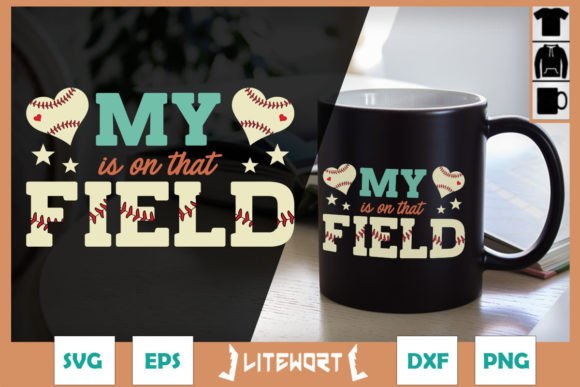
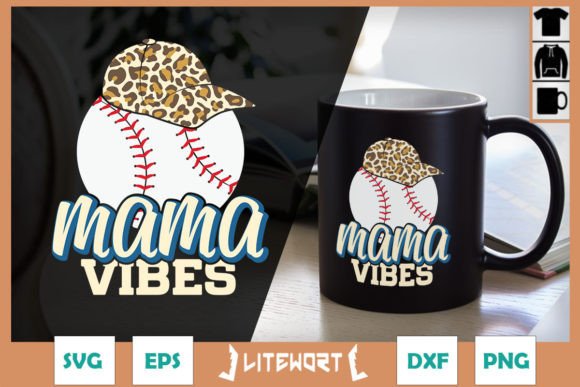
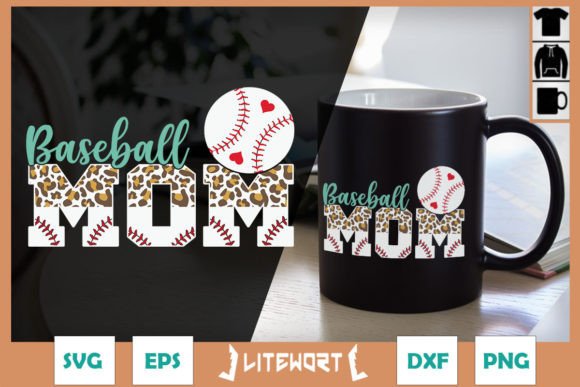
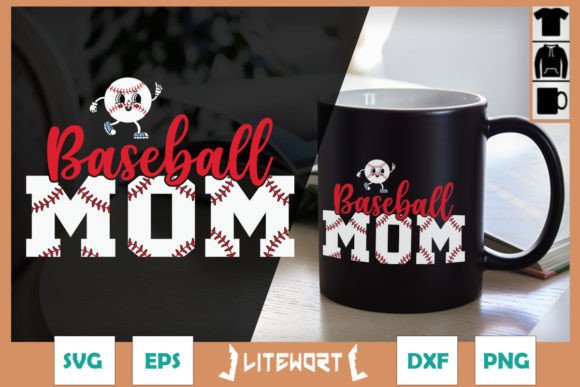
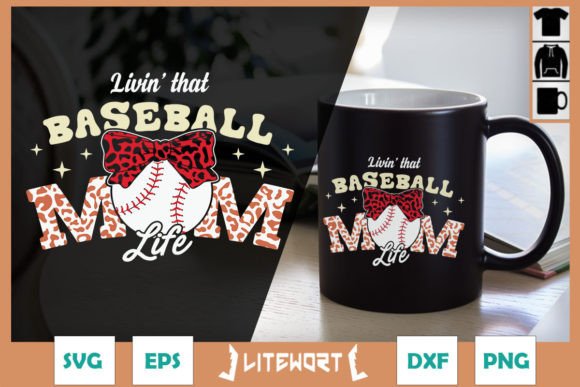
At a glance, Livin That Baseball Mom Life lands with gentle confidence—not loud, not fussy, but unmistakably intentional. The layout balances playful typography with subtle baseball motifs (think stitched seams, a soft mitt outline, or a tiny bat tucked into the lettering). It reads as friendly and grounded, not ironic or overly stylized. That matters. When you’re embroidering for moms who live in bleachers and carpool lines, authenticity reads louder than polish.
I immediately pictured it on a heavyweight cotton canvas tote—something sturdy enough for gloves, snacks, and a well-worn scorebook. The design’s natural width and moderate height suggest it’ll sit comfortably centered on a 10” x 12” tote front without crowding or shrinking into insignificance. No forced stretching or awkward cropping needed.
Where It Shines (and Where It Needs Thought)
Livin That Baseball Mom Life works beautifully on medium-to-heavy fabrics where stitch definition stays crisp: sweatshirts, aprons, tea towels, and structured pillow covers. On a navy crewneck sweatshirt, the contrast between bold lettering and delicate satin-stitched accents (like a small stitched baseball) gives depth without complexity. As a machine embroidery design, it avoids overloading fill stitches—so stitch density feels balanced, not heavy or stiff.
It’s also a smart fit for baby embroidery when scaled down thoughtfully—say, on a onesie chest or a burp cloth corner. The theme is sweet but not saccharine, and the clean lines avoid tiny details that vanish at 3” wide. For holiday embroidery or personalized gifts, it adds warmth without seasonal cliché—perfect for Father’s Day dad-and-kid baseball sets or end-of-season team appreciation bundles.
But here’s where attention matters: Livin That Baseball Mom Life isn’t ideal for ultra-fine applications. Skip it on thin jersey tees unless you’ve tested stabilizer pairing thoroughly. Avoid curved surfaces like caps unless you confirm the file includes proper digitizing for crown curvature—it’s designed for flat or gently contoured surfaces. Also, if your version includes fine script elements (like a tiny “Est. 2023” or “Team Mom” subline), check those in your embroidery software. Small lettering can blur on textured fabrics or fade on dark thread backgrounds.
Real-World Use: From Mockup to Market
Last week, I prepped a batch of embroidered cotton twill aprons for a local sports-themed pop-up shop. I used Livin That Baseball Mom Life as the focal design—centered above the pocket, sized to 4.5” wide. With medium-weight cutaway stabilizer and 40-weight polyester thread, the result looked hand-finished, not digital. Customers paused. Smiled. Said, “That’s *me*.” That emotional resonance is what turns a craft business item into a keepsake.
For Etsy sellers and small shop owners, this design supports strong branding consistency. It’s versatile enough to appear across multiple product types—tote bag, matching sweatshirt, even an embroidered patch sewn onto a denim jacket—without feeling repetitive. As a digital embroidery file, its inclusion of SVG, PNG, DXF, and EPS formats means you can adapt it for laser cutting, vinyl cutting, or printable mockups, too. Just remember: Graphics files don’t auto-translate to perfect embroidery files. Always run a test stitch-out first.
Design Integrity & Customer Trust
What makes Livin That Baseball Mom Life feel trustworthy to buyers isn’t just charm—it’s clarity. Clean edges, consistent line weight, and thoughtful spacing signal professionalism. When customers see sharp satin stitch borders and even fill areas on their finished product, they associate that quality with *your* brand—not just the design. That builds repeat orders and word-of-mouth referrals.
Conversely, skipping key prep steps risks undermining that trust. If you skip testing on your exact fabric blend, or ignore how thread colors interact with background tones (e.g., light gray thread on heather charcoal), the final product may look washed out or muddy. And while the design itself feels commercial-use ready, always verify licensing terms before selling finished items or bundling the files—you’re responsible for compliance, not the seller.
Practical Designer Notes Before You Stitch
- Test Livin That Baseball Mom Life on scrap fabric *first*—especially if using stretchy, napped, or dark fabrics.
- Check thread color contrast in both light and dark mockups; some letterforms read better with high-contrast pairings.
- Review stitch density in your embroidery software—look for dense clusters that might pucker thin fabrics.
- Confirm hoop size compatibility; this design likely fits standard 5” x 7” hoops, but verify before hooping production runs.
- Inspect small details (like stitching lines or bat outlines) at 100% zoom—they should be legible, not pixelated or overly thin.
- Use appropriate stabilizer: cutaway for knits, tear-away for stable wovens, and fusible for lightweight linens.
- Compare how it renders in black-and-white mockups—this reveals value contrast issues before stitching.
- If offering it as part of a bundle or digital product, ensure your license allows redistribution or resale.
In short: Livin That Baseball Mom Life is more than a Crafts category download. It’s a quietly capable embroidery file with personality, purpose, and practical range. Used thoughtfully—with attention to fabric, stabilizer, and context—it becomes part of something bigger: a handmade product that connects, a personalized gift that lands, and a small shop product that sells not just once, but again and again.